How Often Should You Get Your Roof Inspected in Florida?

December 10, 2019By SonShine Roofing2 min read
Roof Inspection
roof inspection roof inspection sarasota how often sarasota roofing company

How Often Should You Get Your Roof Inspected in Florida?

What’s your budget for roof repair costs?

If you don’t have one, that’s understandable—most homeowners don’t think about roof repairs until they’re needed. But when that time comes, you might be surprised to learn that roof repair can cost at least $600—and full replacements can go as high as $10,770 or more!

The good news? You can usually avoid major roofing expenses with proactive care—and the #1 rule of care is scheduling regular roof inspections. But how often should you get your roof inspected, especially in Florida’s unique climate?

Roof Inspections: Twice a Year or More?

As a general rule, homeowners should have their roof inspected at least twice a year. The ideal times are during spring and fall, when weather conditions are milder and it’s easier to detect seasonal damage from summer storms or winter cold snaps.

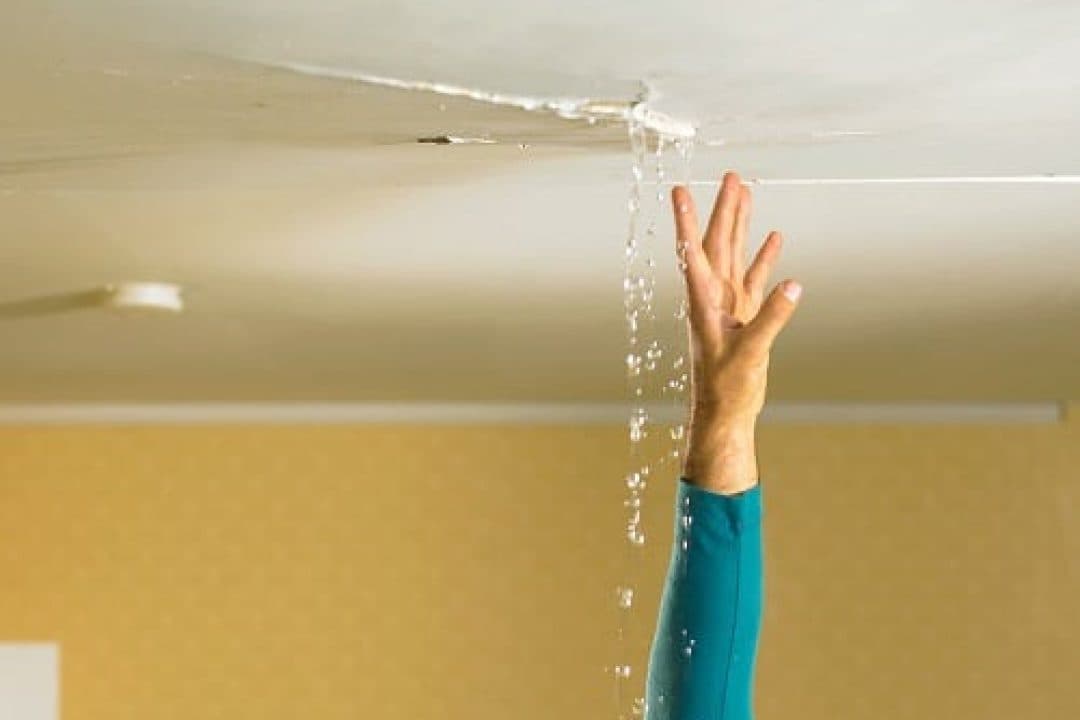
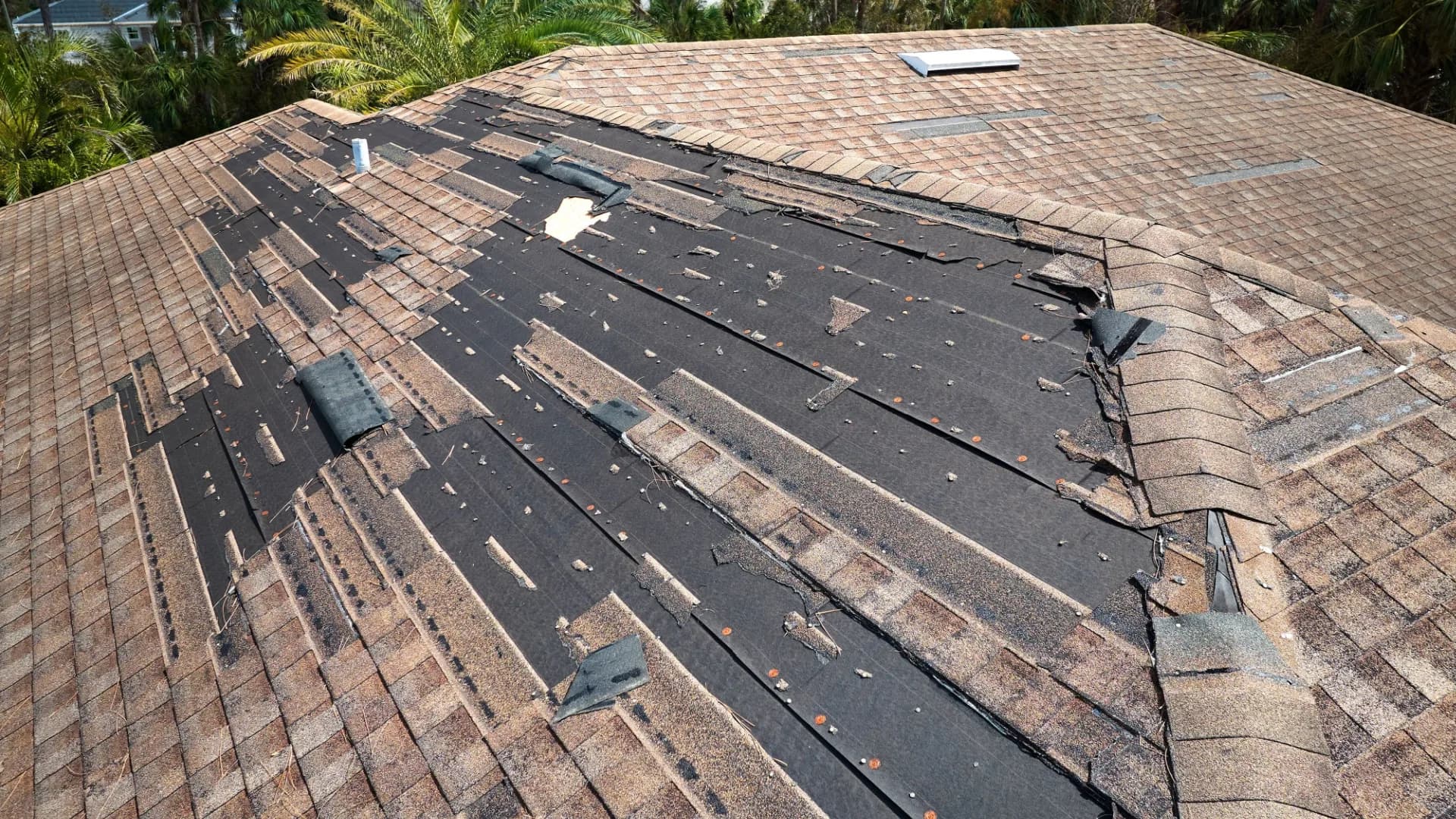
However, that’s just the baseline. If you live in hurricane-prone areas like Sarasota or North Port, Florida, it’s wise to schedule an inspection after any major weather event involving high winds, hail, or flying debris.

Even a new roof isn’t completely immune to storm damage, and older roofs can be especially vulnerable to leaks, flashing failures, or structural issues.

Should You Inspect Your Roof Yourself or Hire a Pro?

Many homeowners wonder if they can inspect their roof on their own. While basic visual inspections from the ground are a good habit, climbing up on your roof comes with safety and liability risks.

If you do go the DIY route, make sure to follow essential roof safety tips. But keep in mind: walking on your roof can cause accidental damage or void warranties—especially if you’re not sure where to step or what to look for.

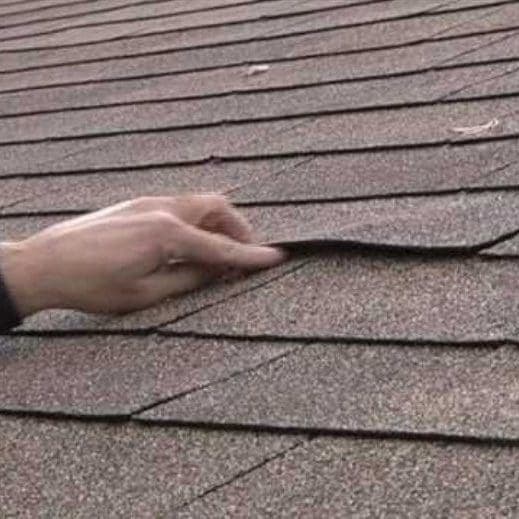
That’s why most Sarasota homeowners opt for a professional roof inspection. An experienced roofing technician will assess visible components like shingles and flashing, as well as hidden areas like underlayment, venting, and seals. It’s a small investment that can save you thousands later on.

Benefits of Regular Roof Inspections

  • Catch small issues before they become costly repairs
  • Extend the overall lifespan of your roofing system
  • Protect against Florida’s intense sun, heat, and storms
  • Keep your home safe, dry, and energy-efficient

Need a Roof Inspection in Sarasota?

Getting your roof inspected twice a year—and after major storms—can prevent emergencies and save you big on future repairs. Whether your roof is brand-new or 20 years old, routine maintenance is essential in Florida’s climate.

If you’re unsure when your last inspection was—or if your home has recently weathered a storm—now’s the time to take action.

Contact SonShine Roofing today to schedule a professional roof inspection in Sarasota or the surrounding area. Our experienced team is here to help protect your home and your investment year-round.

Learn More

General FAQs

Does attic insulation and ventilation really make a difference?

Yes—more than most homeowners realize. Your roof surface can run nearly 100°F hotter than the air on summer days, and attics can hit the high 100s. Without proper insulation and balanced airflow, that heat and moisture can warp beams, fry shingles from beneath, and invite rot. The fix is straightforward: sufficient attic insulation plus soffit intake + ridge exhaust ventilation to move hot, wet air out. 

How do the main roofing materials compare in Sarasota’s climate?

  • Asphalt shingles: Affordable, easy to source, and versatile. Pros: fire/water resistance, low maintenance, ~25-year lifespan. Cons: lighter weight can mean blow-offs in big storms; extreme summer heat can warp/crack; expect occasional repair budgeting. 
  • Clay tile: Classic look, handles heat and salt spray, long-lasting (up to ~50 years). Pros: fire/rot resistance, stays put in wind. Cons: pricey, heavy (may need structural reinforcement), and fragile during handling. 
  • Concrete tile: Popular in Florida and lighter than many expect. Pros: durable (about 50–100 years), low maintenance, fire/water resistance, strong wind performance, color options (can mimic wood/other looks). Cons: somewhat expensive; design options are more limited than premium materials. 
  • Metal roofing: Comes in profiles that resemble shingles/tiles/shakes. Pros: little maintenance, fire/water/insect resistance, stands up to salt spray, reflects heat (can lower cooling bills), up to ~40-year lifespan. Cons: higher upfront cost and more limited design choices. 
  • Slate: Stunning and extremely durable (often 100+ years). Pros: water/rot/fire resistance, high hurricane tolerance. Cons: very heavy (reinforcement likely), fragile to walk on, and the most expensive option here. 

What causes roof leaks?

Leaks usually start at weak points—not just during hurricanes. In Florida, extreme heat and UV make materials expand/contract, turning brittle and cracking over time; even asphalt tar can soften and lose its seal. 

  • Aging roof: Heat/UV cycles degrade shingles and seals, opening paths for water. 
  • Flashing failures: Cracked, rusted, or separated metal around chimneys, vents, valleys, and walls.  
  • Missing/damaged shingles: Wind and storms pull or crack shingles, exposing underlayment and decking.  
  • Clogged gutters: Standing water backs up under edges and soaks materials—especially in rainy season.
  • Skylight leaks: Worn rubber seals or loose skylight flashing let water in at the frame.

Can I see examples of your past work?

Yes. If you browse our Roofing Project Gallery, you will see high-resolution drone videos of our featured projects with links to the materials we used.

How can I extend my roof’s lifespan?

Treat it like preventive medicine.

  • Keep gutters clean so water doesn’t back up under edges and soak the decking—check especially after storms. 
  • Manage trees: trim back overhangs; big branches are a real hazard in wind events. 
  • Insulate the attic to reduce heat transfer that can stress rafters and age materials faster. 
  • Ventilate the attic (intake at soffits, exhaust at ridge) to dump heat and moisture before they warp wood or cook shingles from below. 
  • Do regular roof cleanups/visual checks for debris, missing/curling shingles, or granule loss. 
  • Schedule professional inspections to catch small issues before they snowball. Sarasota heat + summer storms reward proactive care. 

What’s the best roof type for Florida homes?

There isn’t a single winner—it’s about matching material to Sarasota’s heat, humidity, storms, wind, and (for coastal folks) salt spray. Asphalt shingles are budget-friendly and common; concrete and clay tiles bring serious longevity and wind resistance; metal reflects heat and shrugs off salt; slate is gorgeous and ultra-durable but heavy and costly. The “best” choice balances your budget, aesthetics, structural needs, and how exposed your home is to wind and sea air.  

Do you employ subcontractors?

No, we do not employ subcontractors. All of the crews we employ are W-2 employees and on our payroll.

Are you licensed and insured in the State of Florida?

Yes, we are licensed by the State of Florida, which you can verify here. We also carry comprehensive liability insurance.

Return to Top