Hurricane-Resistant Roofing in Sarasota: What GAF’s Real-World Test Means for Your Roof

February 24, 2026By Michael Borntreger4 min read
EducationHurricane PreparationRoofing Materials
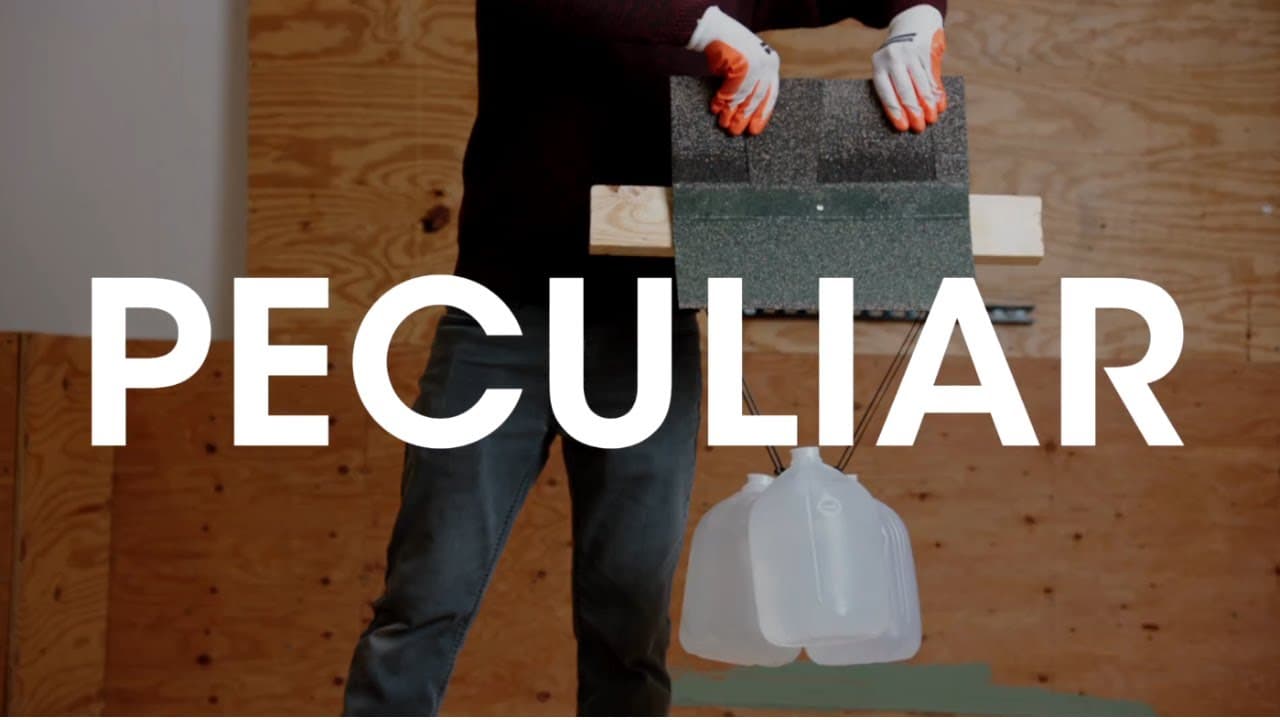
Hero image for hurricane resistant roofing in Saraosta

If you live in Sarasota and are looking to replace your roof with hurricane-resistant roofing, you’ve probably seen dramatic shingle stunts online—baseballs, garden tools, and bench-top tear tests. Those viral demos make for clicks, but they don’t reflect what roofs actually face in a major storm. GAF took a different approach: a controlled test at a leading hurricane research facility to show how modern sealants and proper installation perform in Category 4 winds. What follows is a clear, practical look at what that test proved and what Sarasota homeowners should check before choosing a roof.

Why Over-The-Top Gimmicks Miss The Point for Hurricane-Proof Roofing

Marketing stunts may look impressive, but they rarely recreate the forces that threaten shingles during real hurricanes. A baseball or a leaf blower can show a point of weakness, but they don’t replicate sustained uplift, pressure changes, or the way shingles interact across an entire slope under high wind loads. For homeowners seeking true hurricane protection, the important things are materials engineered for wind, quality sealants, correct fastener patterns, and system-level testing.
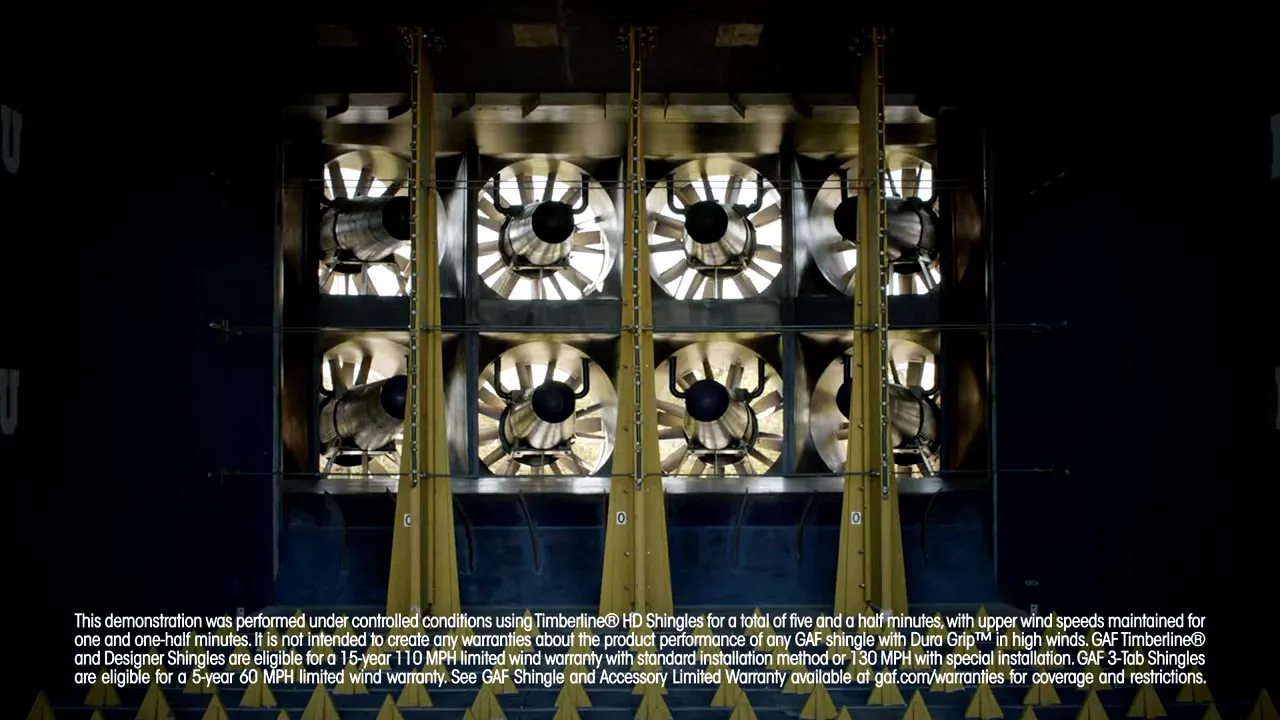
The fan array used in GAF’s hurricane-resistant roofing research facility to simulate Category 4 winds.

GAF’s Real-World Test: What They Did and Why It Matters

Rather than theatrical bench tests, GAF installed full rooftop assemblies at a certified hurricane research facility. Engineers intentionally minimized nails in the field—using only a few around the perimeter to stabilize the assembly—so the test would show how effective GAF’s DuraGrip sealant is when exposed to extreme winds. They then subjected the roof to Category 4 hurricane-force winds. The result: shingles with DuraGrip held in place even without the typical field nails or synthetic tapes.
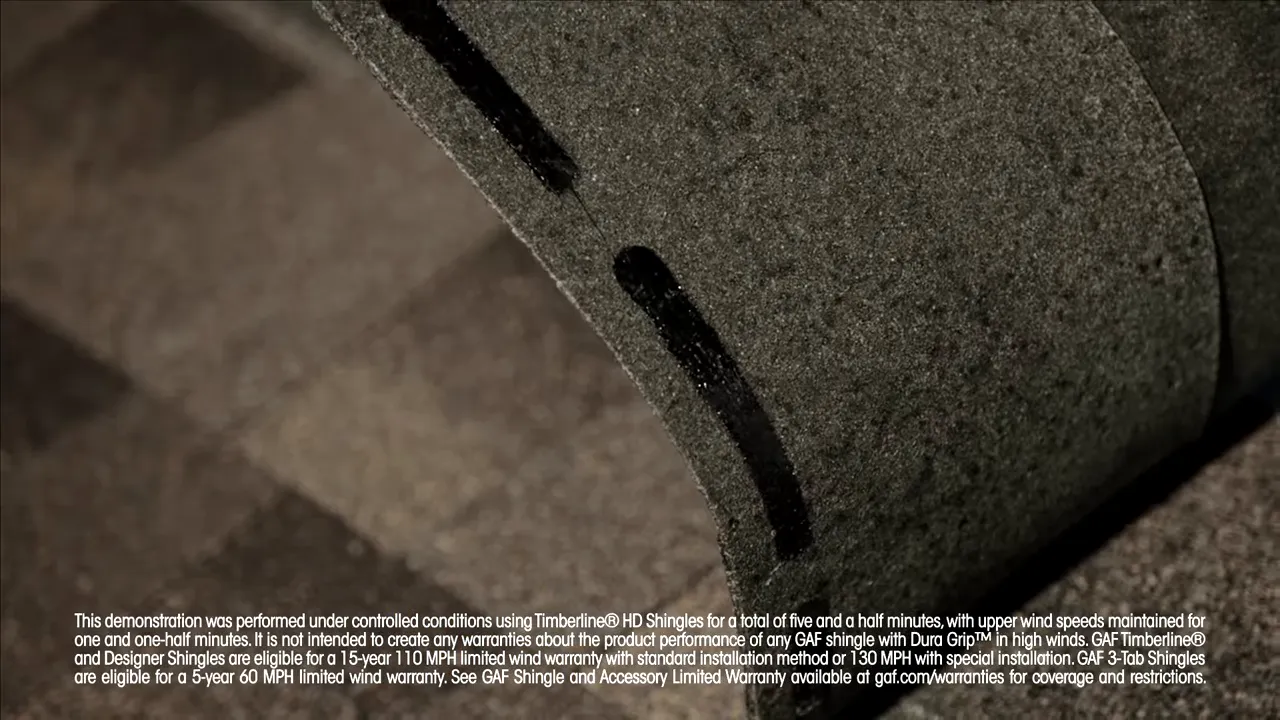
Close-up of the DuraGrip adhesive strip on a shingle tab—the bond that resisted uplift in the test.

What DuraGrip Proved — and What That Means for Sarasota Roofs

DuraGrip is formulated to provide strong adhesive bond at the shingle tabs. In GAF’s controlled demonstration, that adhesive alone resisted the sustained uplift forces typical of a major hurricane. For anyone interested in hurricane-resistant roofing for their Sarasota home, this highlights two important truths:

  • Shingle design and adhesive quality matter. The bond between shingles helps the roof behave like a single, unified surface under uplift.
  • System installation matters. Adhesive performance is only one piece — correct nailing, starter shingles, hip and ridge details, and manufacturer-recommended accessories complete the system.
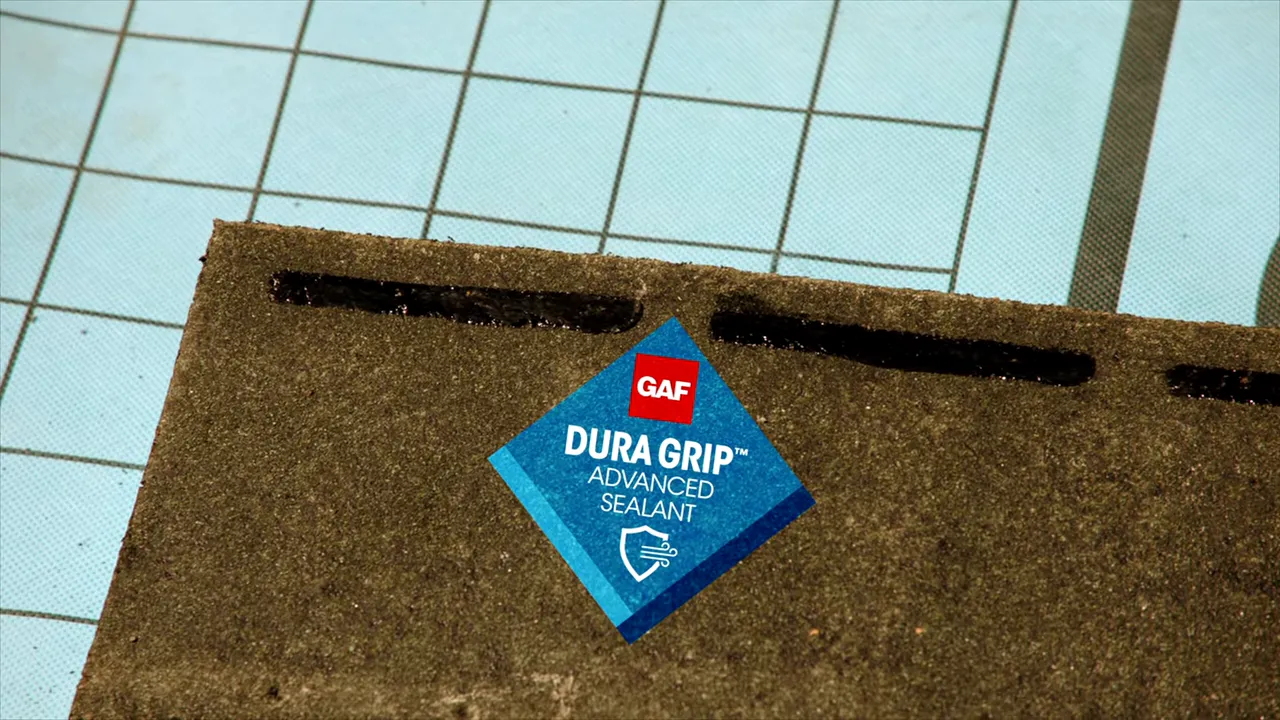
Close-up of GAF DuraGrip sealant showing adhesive placement on a shingle.

Timberline HDZ and The WindProven Limited Wind Warranty

GAF’s DuraGrip is available across its product line, including the top-selling Timberline HDZ. Timberline HDZ shingles are eligible for GAF’s WindProven limited wind warranty — an industry-first warranty that, when installed with the required combination of GAF accessories, has no maximum wind speed limitation. That matters for buyers of hurricane-resistant roofing because:

  • The warranty does not impose a named-storm exclusion. Many warranties carve out hurricanes and tropical storms recognized by meteorological authorities; WindProven does not.
  • There’s no extra cost or registration required to qualify for this protection when the system is installed per requirements.
GAF WindProven badge signifying unlimited wind-speed protection.

What You Should Look for to Hurricane-Proof Your Roof

When evaluating roofing options, focus on system performance and real-world testing rather than flashy demos. Use this quick checklist tailored to Sarasota’s hurricane risk:

  1. Manufacturer-backed system testing at recognized wind/hurricane facilities.
  2. Durable adhesive/sealant technology (like DuraGrip) and evidence of sustained-wind performance.
  3. Comprehensive warranties that do not exclude named storms and that clearly state installation requirements.
  4. Proper installation by certified installers using the manufacturer’s specified accessories and fastener patterns.
  5. Starter, hip, ridge, and eave details installed to resist uplift and water intrusion.
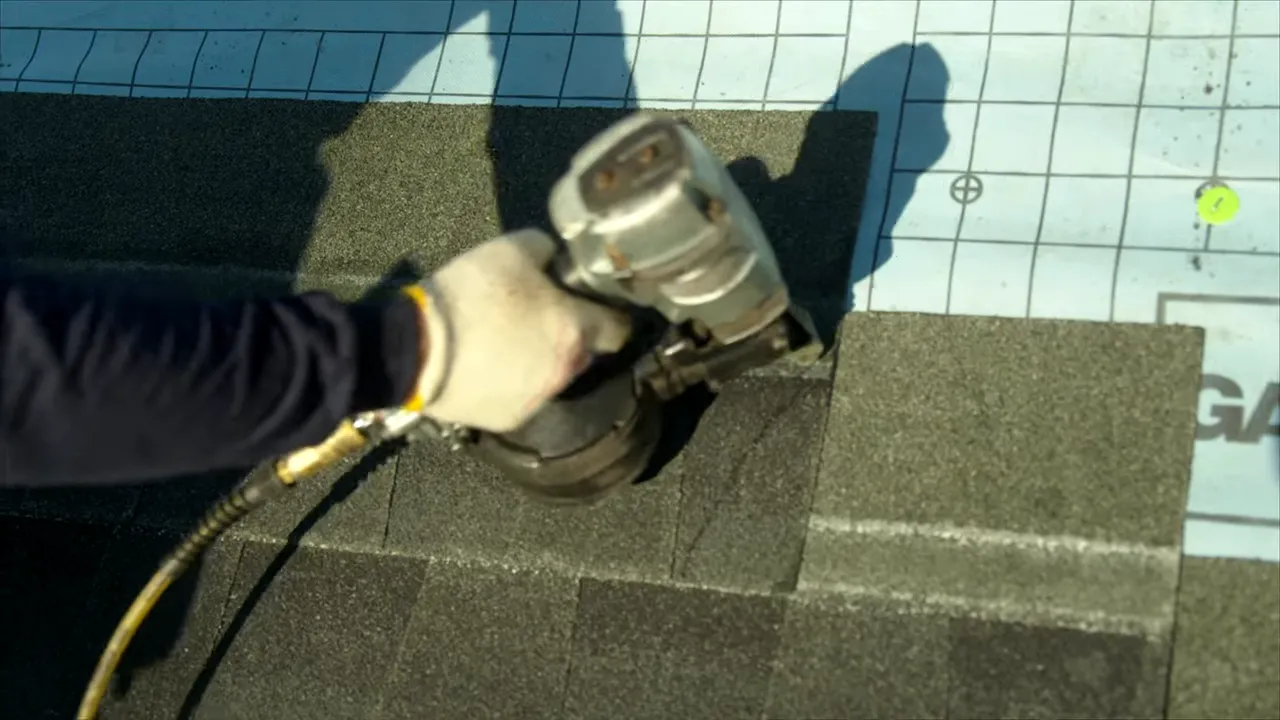
Proper shingle installation and nailing—what protects a roof in high winds.

Quick decision guide

  • If you want maximum wind coverage, prioritize shingles that are eligible for unlimited-wind warranties when installed with the correct accessories.
  • Ask your contractor to show evidence of system testing (not just component tests).
  • Confirm the installer is familiar with local wind codes and the manufacturer’s installation checklist.
GAF WindProven badge on a Timberline roof — the unlimited-wind warranty to prioritize.

Frequently Asked Questions

Does adhesive mean you can skip nails?

No. The GAF demonstration minimized nails to showcase DuraGrip’s strength in extreme testing. In normal practice, shingles are installed with nails per the manufacturer’s instructions. For a hurricane-proof roof, the combination of proper nailing, adhesive, and accessories creates the strongest outcome.

Are all manufacturer warranties roughly the same?

No. Read warranty language carefully. Some standard wind warranties include named-storm exclusions that limit coverage for officially recognized hurricanes or tropical storms. A warranty like GAF’s WindProven that avoids a named-storm exclusion provides clearer protection in hurricane-prone areas.
No tricks — focus on real testing and proper installation.

Final takeaways for Sarasota homeowners

If you’re investing in hurricane-proof roofing, don’t be distracted by dramatic marketing stunts. Look for products and systems with real, facility-based testing, proven sealant performance, clear warranty language, and certified installation. GAF’s hurricane-facility test shows that modern adhesive technologies—used as part of a properly installed system—improve a roof’s resilience to extreme winds. In Sarasota’s climate, that system-level thinking is what protects homes when storms arrive.

Ready to make an informed choice?

When discussing options with contractors, reference the checklist above. Ask for system testing documentation, installation specifics, and exact warranty terms. The right roof—installed correctly—makes all the difference for hurricane-resistant roofing.

Get in touch today

Fill out our contact form online or call our office at (941) 866-4320.
Learn More

The Case for Concrete: Why Concrete Tile Roofing is The Superior Choice for Sarasota Homeowners in 2025

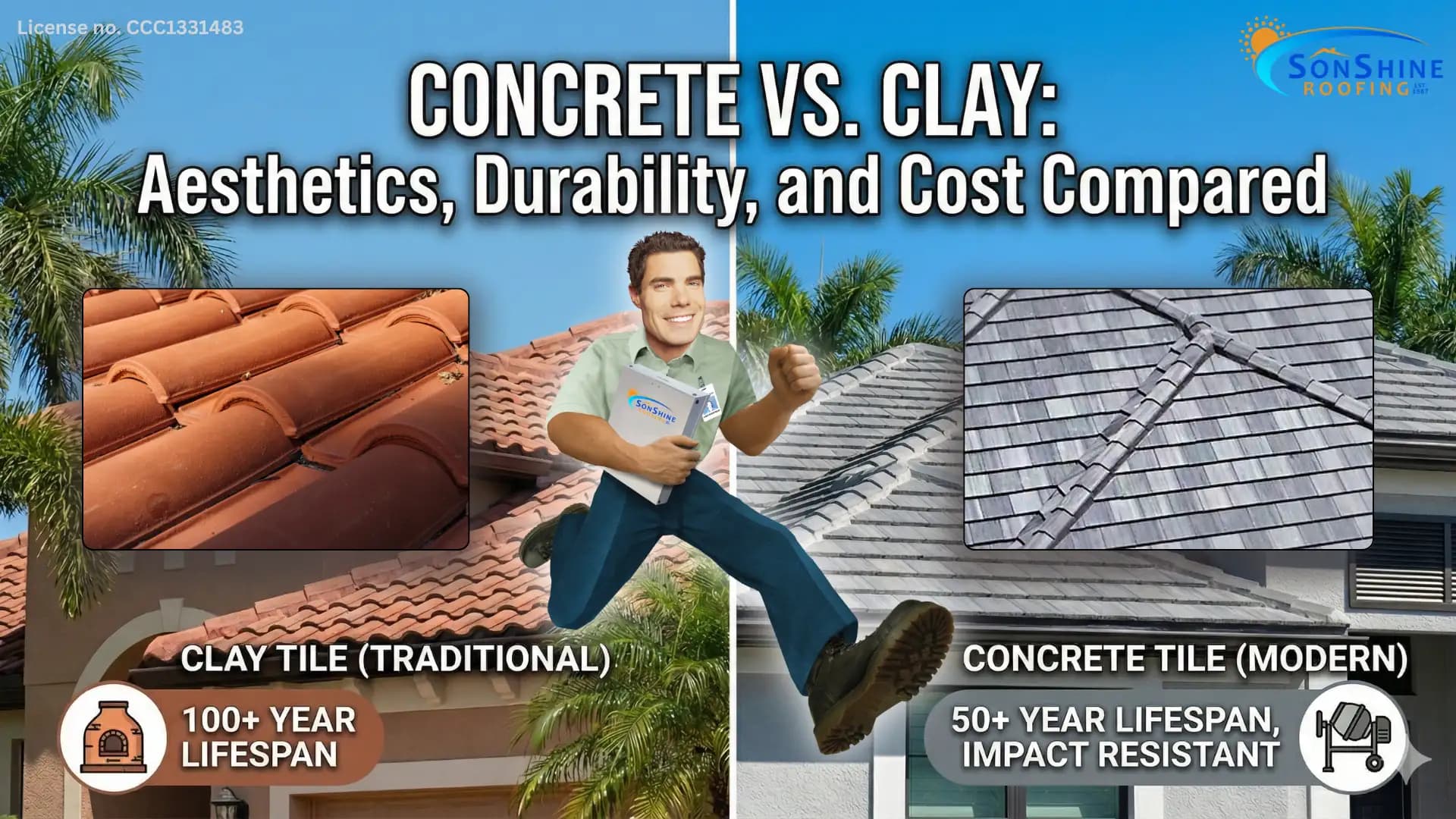
Concrete Tiles Vs Clay Tiles: Aesthetics, Durability, and Cost Compared
Dec 16, 2025

In Southwest Florida, there’s no doubt about it: tile is king . Sure, asphalt shingles are the easy on the wallet, and standing seam metal systems are a worthy contender, but absolutely nothing beats tile for that classic Southwest Florida curb appeal. It…

EducationRoof ReplacementRoofing Materials
Read full article

The Surprisingly Deep History of Metal Roofing

The 2000-Year History of Metal Roofing
Dec 12, 2025

Living here in Southwest Florida, we tend to think of metal roofing as a modern solution to a modern problem. When we look up at a gleaming new Key West-style roof in Sarasota or Bradenton, we see it through the lens of hurricane protection and energy…

EducationRoofing Materials
Read full article

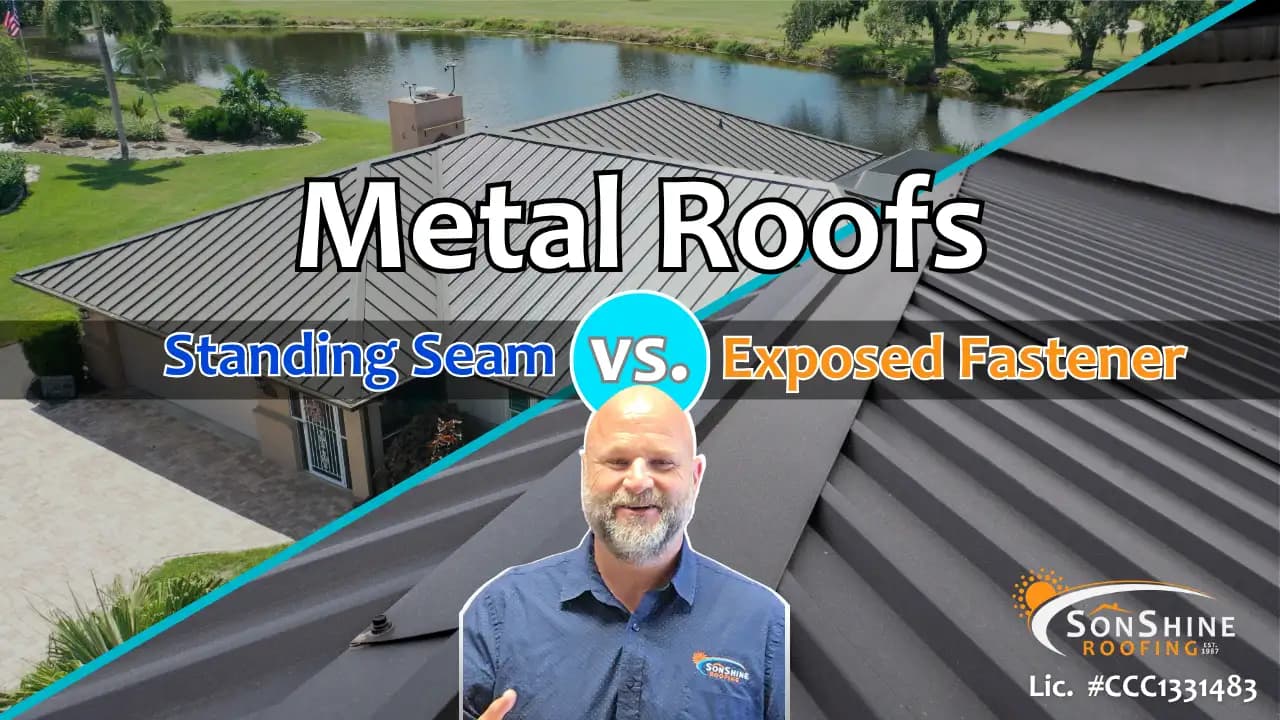
Standing Seam vs Exposed Fastener: Which Metal Roof Is Right for Your Home

Standing Seam Vs Exposed Fastener Blog Thumbnail
Nov 17, 2025

Standing seam vs. exposed fastener is the key decision when choosing a metal roof. These two systems cover almost every residential metal roof option you’ll see. One is sleek, durable, and low-maintenance. The other is more affordable up front and common…

EducationRoofing Materials
Read full article

The Return on Investment of a Tile Roof in Southwest Florida

The ROI of a Tile Roof Featured Image
Sep 15, 2025

A roof is an investment, not a line item. In Southwest Florida—Sarasota, Manatee, and Charlotte counties—concrete tile earns its keep through longevity, storm performance, energy efficiency, and curb appeal. The upfront cost can be higher than asphalt, but…

EducationFeaturedResources
Read full article

General FAQs

Does attic insulation and ventilation really make a difference?

Yes—more than most homeowners realize. Your roof surface can run nearly 100°F hotter than the air on summer days, and attics can hit the high 100s. Without proper insulation and balanced airflow, that heat and moisture can warp beams, fry shingles from beneath, and invite rot. The fix is straightforward: sufficient attic insulation plus soffit intake + ridge exhaust ventilation to move hot, wet air out. 

How do the main roofing materials compare in Sarasota’s climate?

  • Asphalt shingles: Affordable, easy to source, and versatile. Pros: fire/water resistance, low maintenance, ~25-year lifespan. Cons: lighter weight can mean blow-offs in big storms; extreme summer heat can warp/crack; expect occasional repair budgeting. 
  • Clay tile: Classic look, handles heat and salt spray, long-lasting (up to ~50 years). Pros: fire/rot resistance, stays put in wind. Cons: pricey, heavy (may need structural reinforcement), and fragile during handling. 
  • Concrete tile: Popular in Florida and lighter than many expect. Pros: durable (about 50–100 years), low maintenance, fire/water resistance, strong wind performance, color options (can mimic wood/other looks). Cons: somewhat expensive; design options are more limited than premium materials. 
  • Metal roofing: Comes in profiles that resemble shingles/tiles/shakes. Pros: little maintenance, fire/water/insect resistance, stands up to salt spray, reflects heat (can lower cooling bills), up to ~40-year lifespan. Cons: higher upfront cost and more limited design choices. 
  • Slate: Stunning and extremely durable (often 100+ years). Pros: water/rot/fire resistance, high hurricane tolerance. Cons: very heavy (reinforcement likely), fragile to walk on, and the most expensive option here. 

What causes roof leaks?

Leaks usually start at weak points—not just during hurricanes. In Florida, extreme heat and UV make materials expand/contract, turning brittle and cracking over time; even asphalt tar can soften and lose its seal. 

  • Aging roof: Heat/UV cycles degrade shingles and seals, opening paths for water. 
  • Flashing failures: Cracked, rusted, or separated metal around chimneys, vents, valleys, and walls.  
  • Missing/damaged shingles: Wind and storms pull or crack shingles, exposing underlayment and decking.  
  • Clogged gutters: Standing water backs up under edges and soaks materials—especially in rainy season.
  • Skylight leaks: Worn rubber seals or loose skylight flashing let water in at the frame.

Can I see examples of your past work?

Yes. If you browse our Roofing Project Gallery, you will see high-resolution drone videos of our featured projects with links to the materials we used.

How can I extend my roof’s lifespan?

Treat it like preventive medicine.

  • Keep gutters clean so water doesn’t back up under edges and soak the decking—check especially after storms. 
  • Manage trees: trim back overhangs; big branches are a real hazard in wind events. 
  • Insulate the attic to reduce heat transfer that can stress rafters and age materials faster. 
  • Ventilate the attic (intake at soffits, exhaust at ridge) to dump heat and moisture before they warp wood or cook shingles from below. 
  • Do regular roof cleanups/visual checks for debris, missing/curling shingles, or granule loss. 
  • Schedule professional inspections to catch small issues before they snowball. Sarasota heat + summer storms reward proactive care. 

What’s the best roof type for Florida homes?

There isn’t a single winner—it’s about matching material to Sarasota’s heat, humidity, storms, wind, and (for coastal folks) salt spray. Asphalt shingles are budget-friendly and common; concrete and clay tiles bring serious longevity and wind resistance; metal reflects heat and shrugs off salt; slate is gorgeous and ultra-durable but heavy and costly. The “best” choice balances your budget, aesthetics, structural needs, and how exposed your home is to wind and sea air.  

Do you employ subcontractors?

No, we do not employ subcontractors. All of the crews we employ are W-2 employees and on our payroll.

Are you licensed and insured in the State of Florida?

Yes, we are licensed by the State of Florida, which you can verify here. We also carry comprehensive liability insurance.

Return to Top